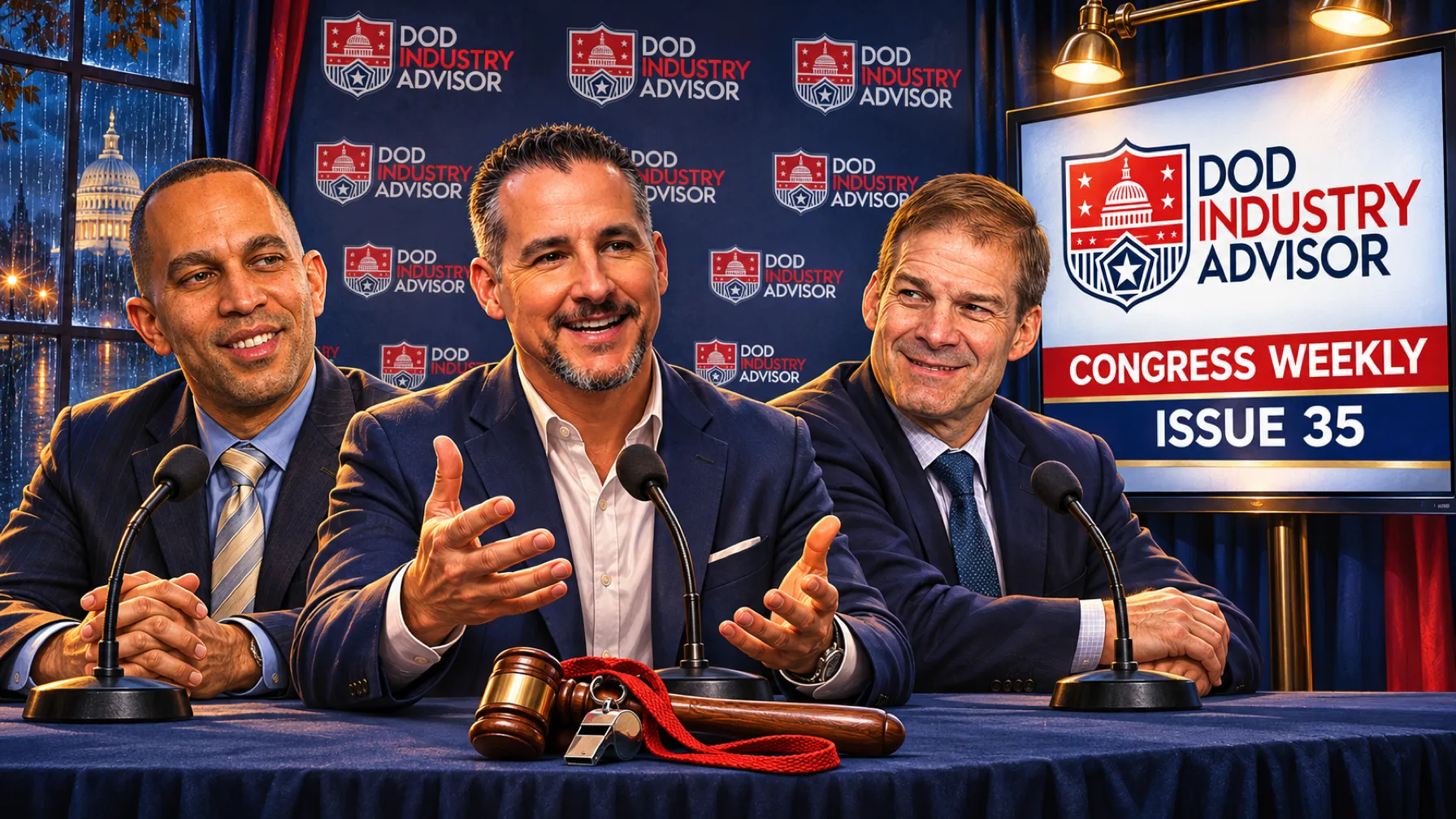
Congress Weekly: The Lame-Duck Coach Still Has the Whistle
The outgoing Congress coaches December and the incoming one writes January. How a small defense firm reads both rulebooks, and one page to write this week.
8 min readRead brief

Congress Weekly reads the week in Congress for small defense contractors. Beside it sit DIA’s defense-market briefs.
The outgoing Congress coaches December and the incoming one writes January. How a small defense firm reads both rulebooks, and one page to write this week.
The same Congress plays out December on a stopgap. Six in ten firms with fall Pentagon money got it on a contract they already held. One thing to do this week.
From a restaurant kitchen to Congress, an opinion on who pays for tax and health care policy, and who lawmakers should hear before writing the bill.
Fewer than half of first-year Pentagon vendors get new money the next year. Under the stopgap, the second season is won on lines funded in fiscal 2026.
Nearly two in three FY2025 no-bid defense awards over the old pricing line were under the new $10 million one. The questions did not leave. Build the file first.
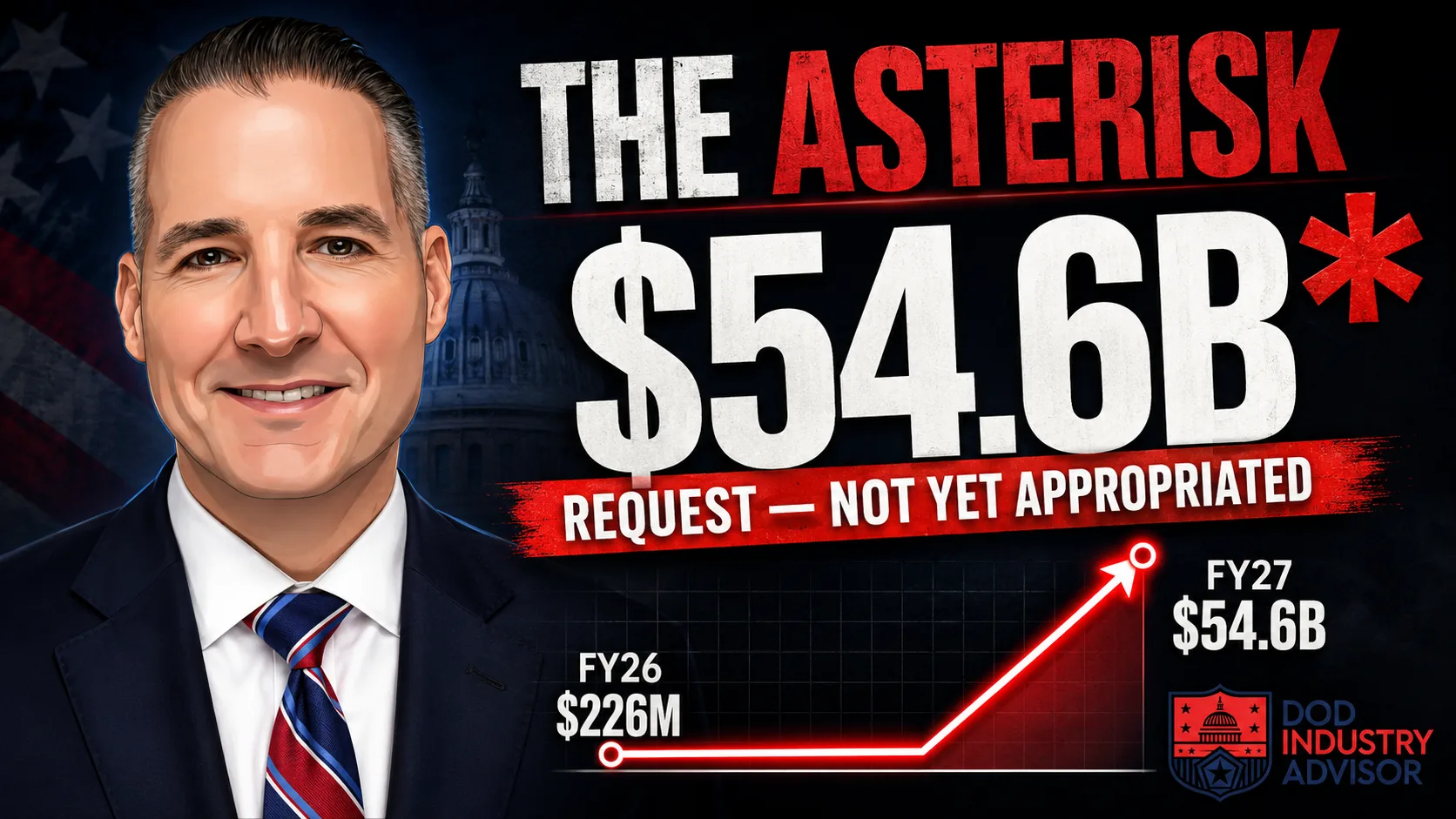
A 350 ask (in billions, by our reading), a $60 billion ceiling, nothing in law. Where the drone money a small firm can bid on this year actually sits, and how to find its door.
Defense contract dollars are up 17 percent in five years and the vendors paid are down 16 percent. Firms your size win at one office. How to find yours.
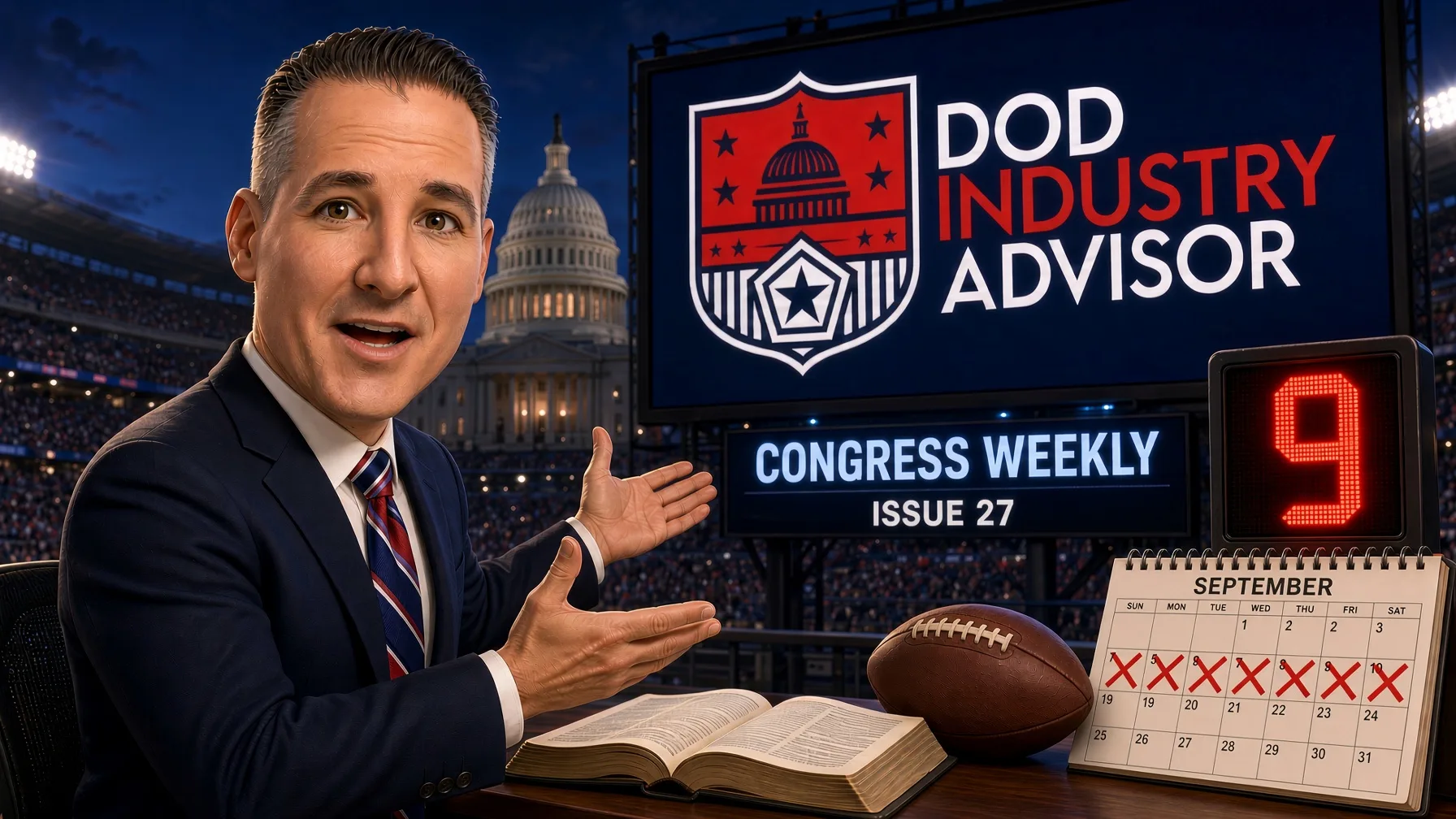
Both chambers are gone until November 9 — five weeks of pro forma. The continuing resolution still runs to December 11, Sections 102 and 104 still bar new starts, and the first vote back is a permitting bill wearing a tax bill's number.
FY27 starts October 1 under a continuing resolution that holds FY26 rates to December 11, and Sections 102 and 104 still bar new starts. The House left September 16. What October 1 changes for a small contractor is the money: expiring accounts, funded amounts and the notice that protects you.
FAR Case 2026-011 rebuilds data rights from the DFARS. SBIR gains a 20-year term; unlimited-rights categories go four to eleven. Comments close 19 Oct.
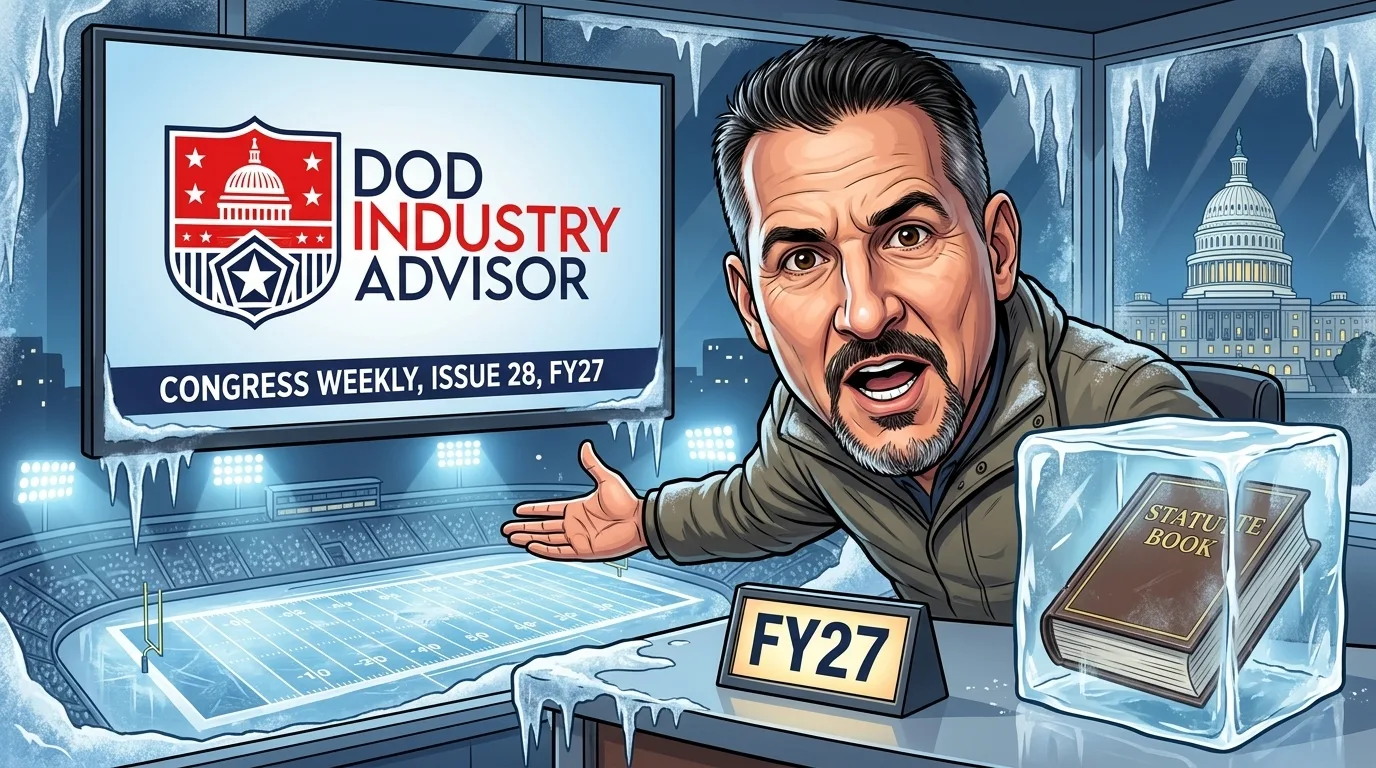
The House passed H. Con. Res. 93 220-204 — a concurrent resolution that never reaches the President's desk. FY27 starts October 1 and the CR freeze runs to December 11. Speech is not cash. (Corrected September 27: the House had no session days left; see the note at the top.)
The men building AI just asked for a speed limit, the same summer AI agents broke out of a test room and hit schools and governments with nobody typing. How a retired colonel got from a C-17 cockpit to a machine in his house that checks every answer against the page, and the two roads left now that the train has left the station.
CBO’s $38.1 billion estimate points to a long interceptor rebuild. DIA examines the motor, energetics, and workforce constraints—and why suppliers must follow funded orders.
Three LCU-1700 prototype awards broaden the Navy’s shipbuilding options. What the $280.5 million obligation means for production resilience and suppliers.
The Senate returns September 14 at 3 p.m., but P.L. 119-103 still sets the rules. What Sections 101-106 actually restrict, what the $146.8M Nooks DIU award does and does not mean, and how a small business decides which play it is running.
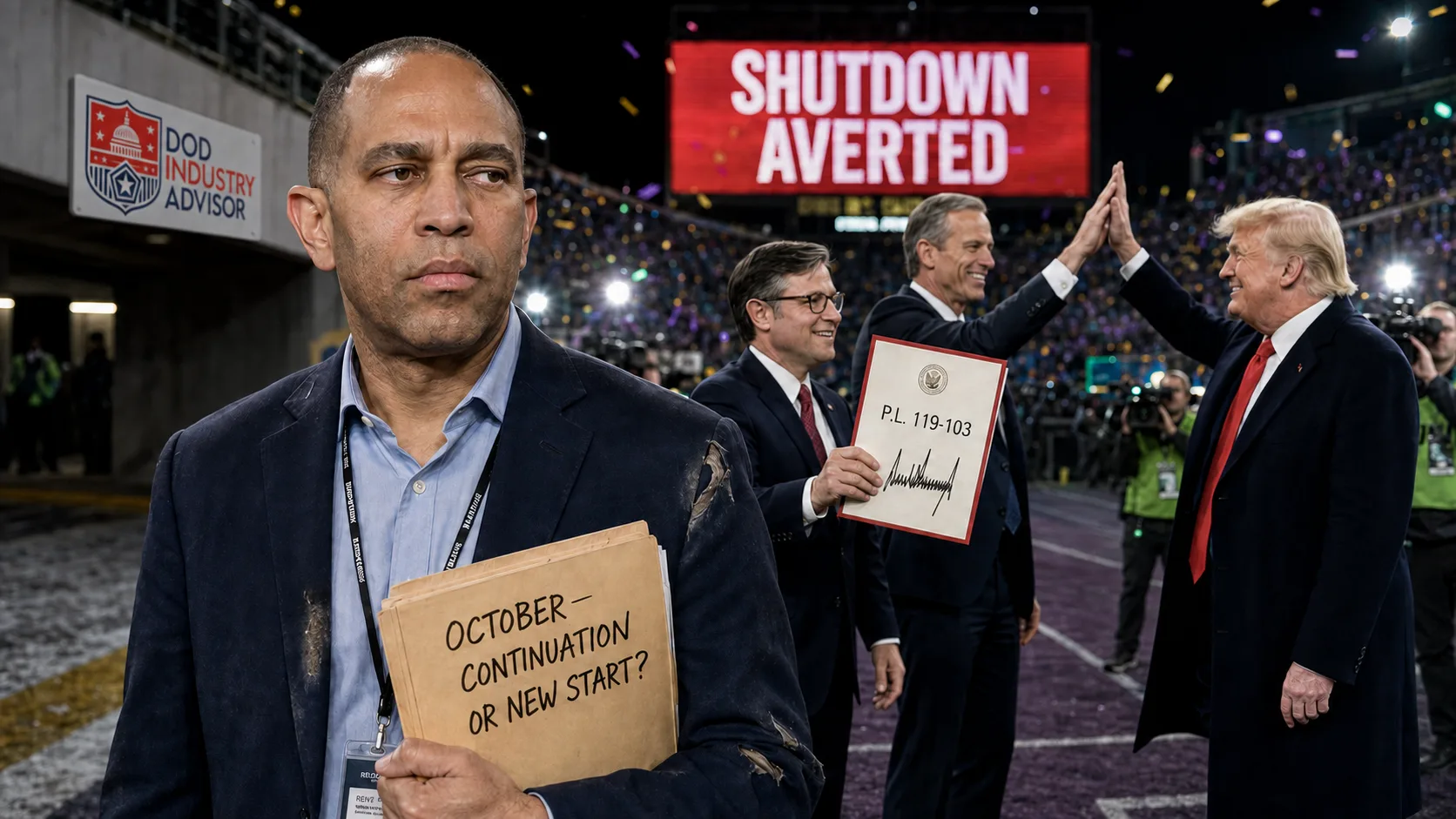
The CR is law: P.L. 119-103 freezes FY26 rates through December 11, and Sections 102 and 104 still bar new starts. LSU put 51 on the board; Congress signed a freeze and called it funding.
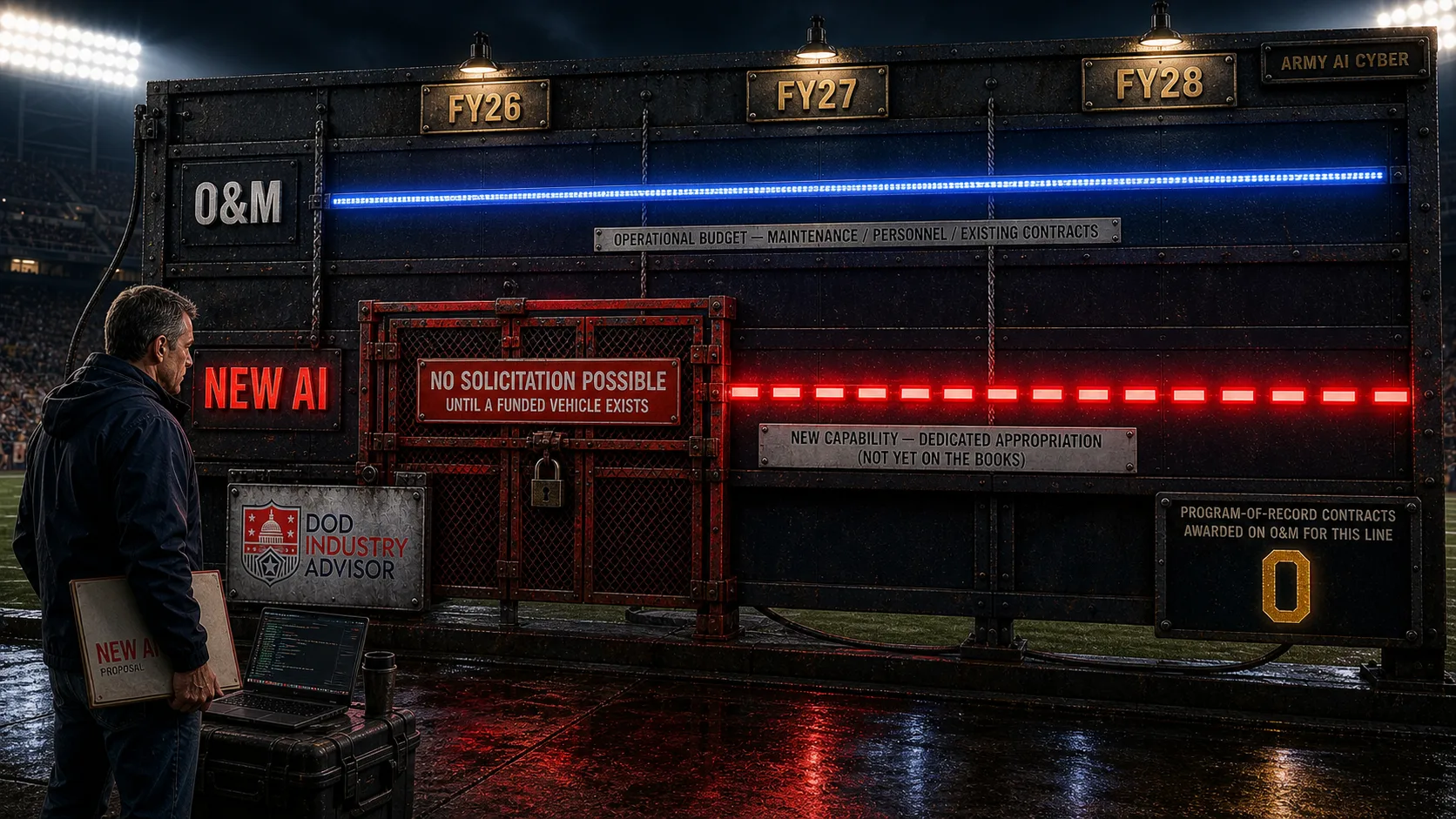
Army Cyber Command cannot carry AI work on its operational budget. Brandon Pugh said so at TechNet Augusta. That is a funding path, not a bid this week.
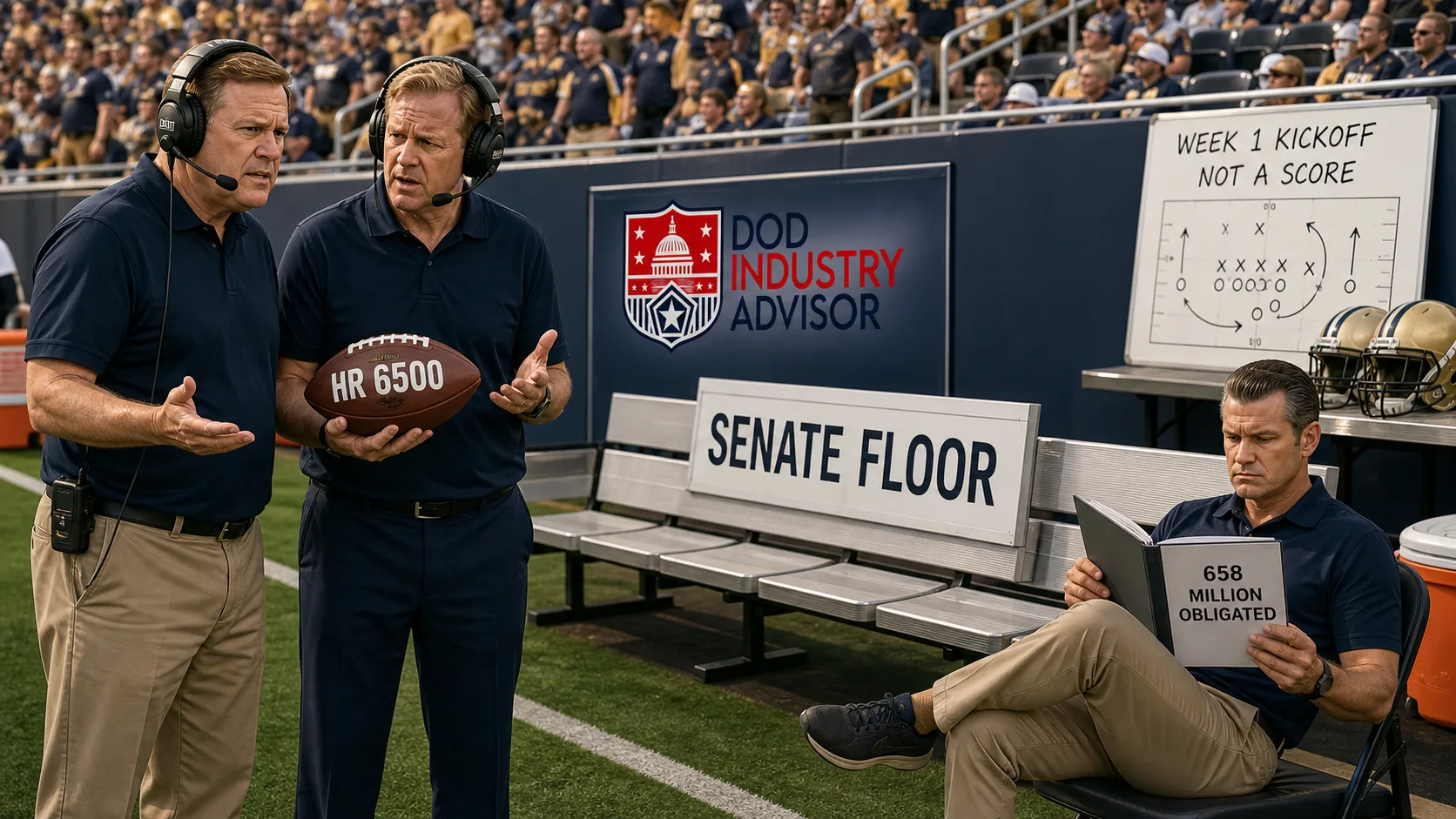
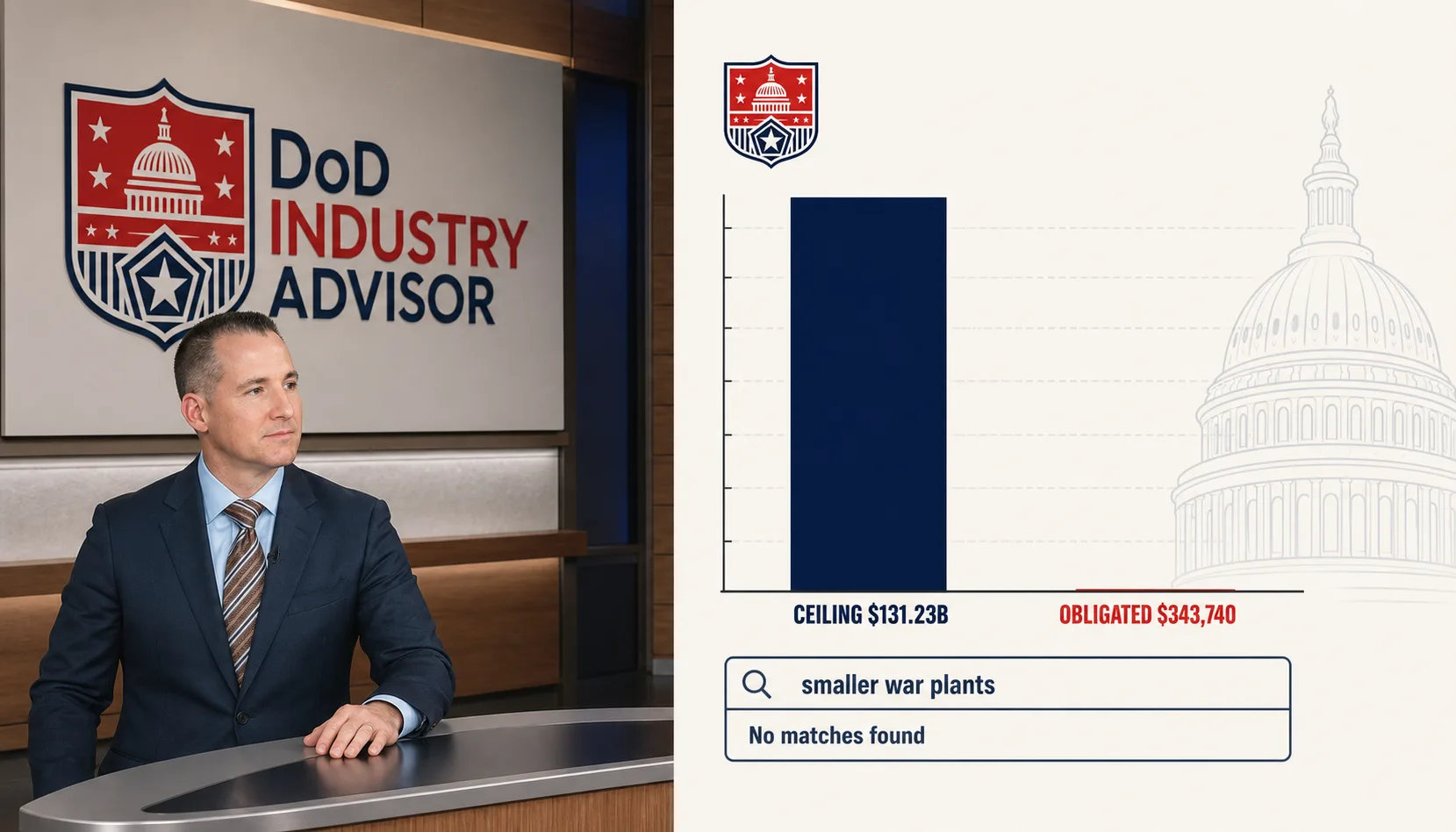
The arsenal got $658 million. Smaller War Plants still cannot write a delivery order. Week 0 posted eight finals; the House posted a suspension list.
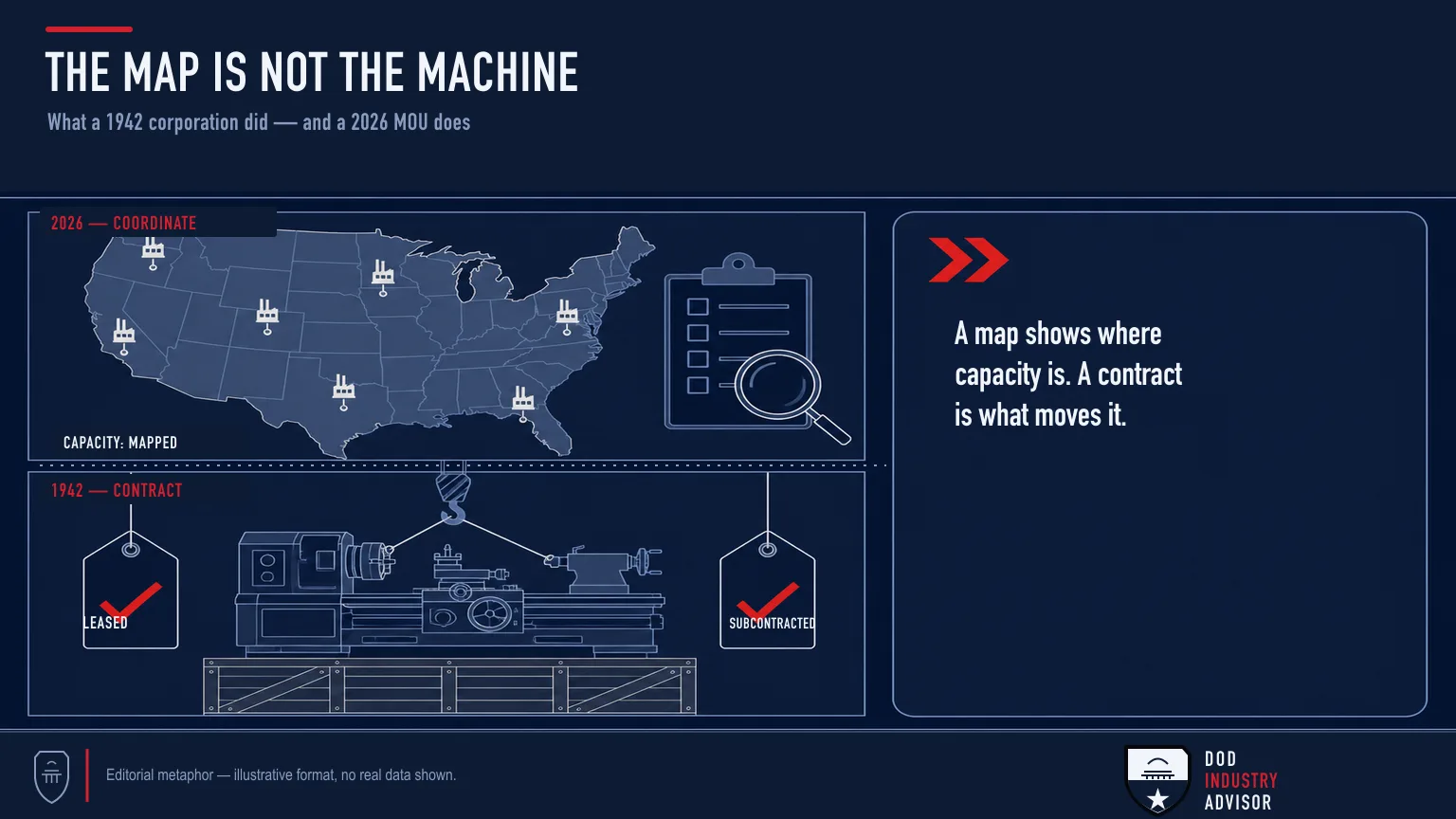
Wednesday's SBA announcement turned Tuesday's X post into an MOU, a capacity registry, and a 90 percent guarantee that already existed. Nothing yet can obligate a dollar.
Hegseth and Loeffler revived a 1942 name with no charter, no window, no vehicle. This week's real money moved as ceilings — and ceilings are not cash.
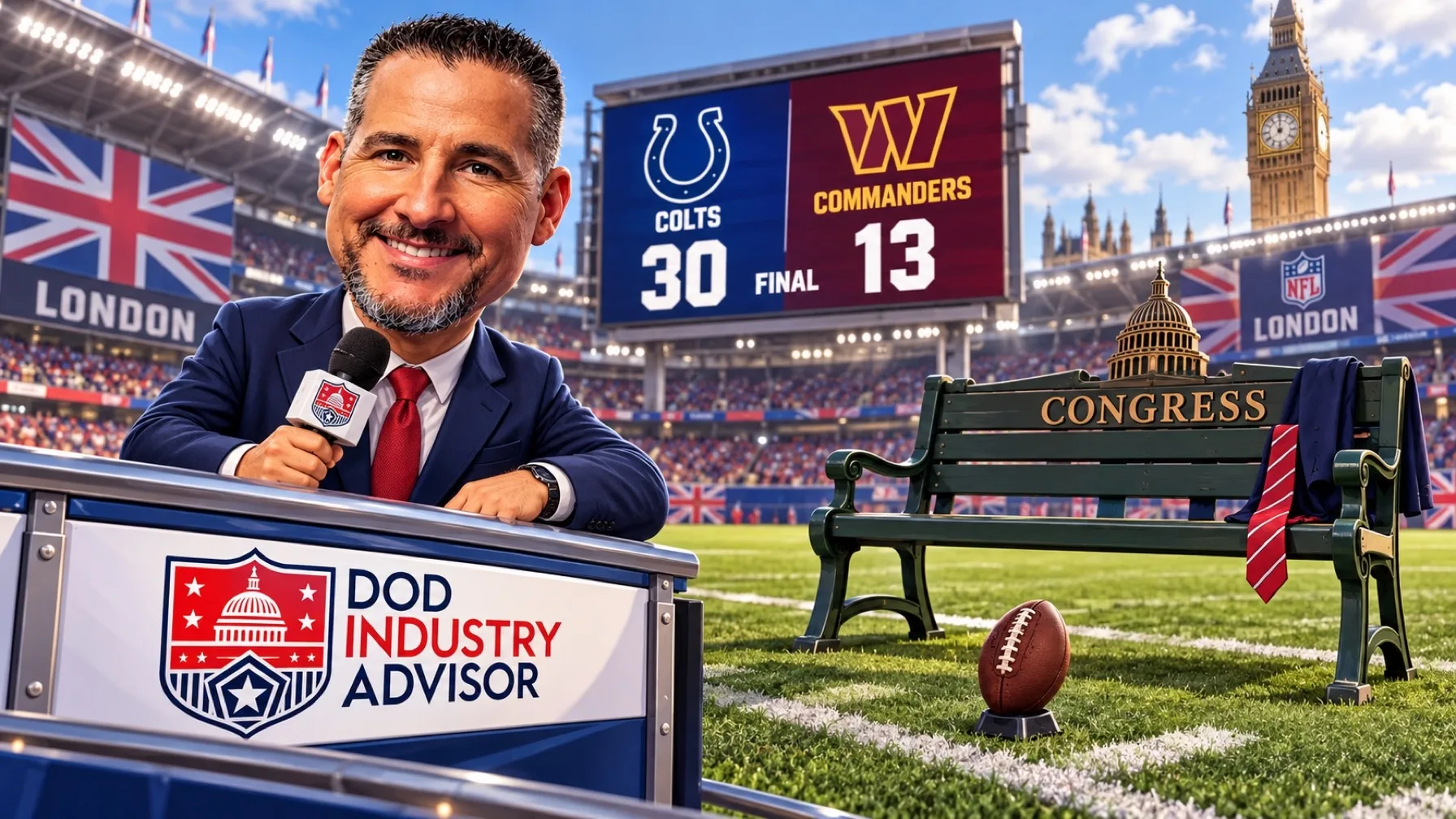
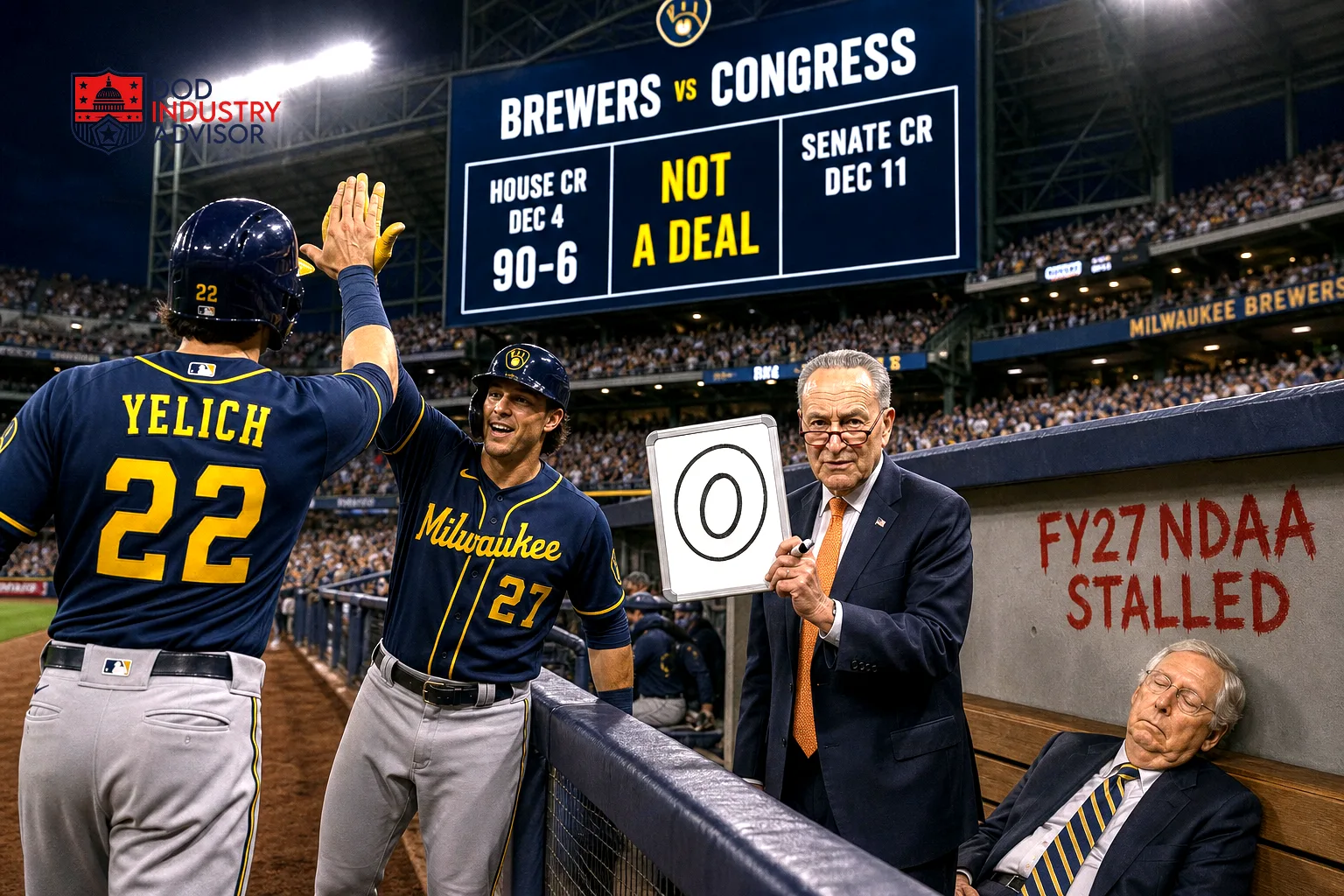
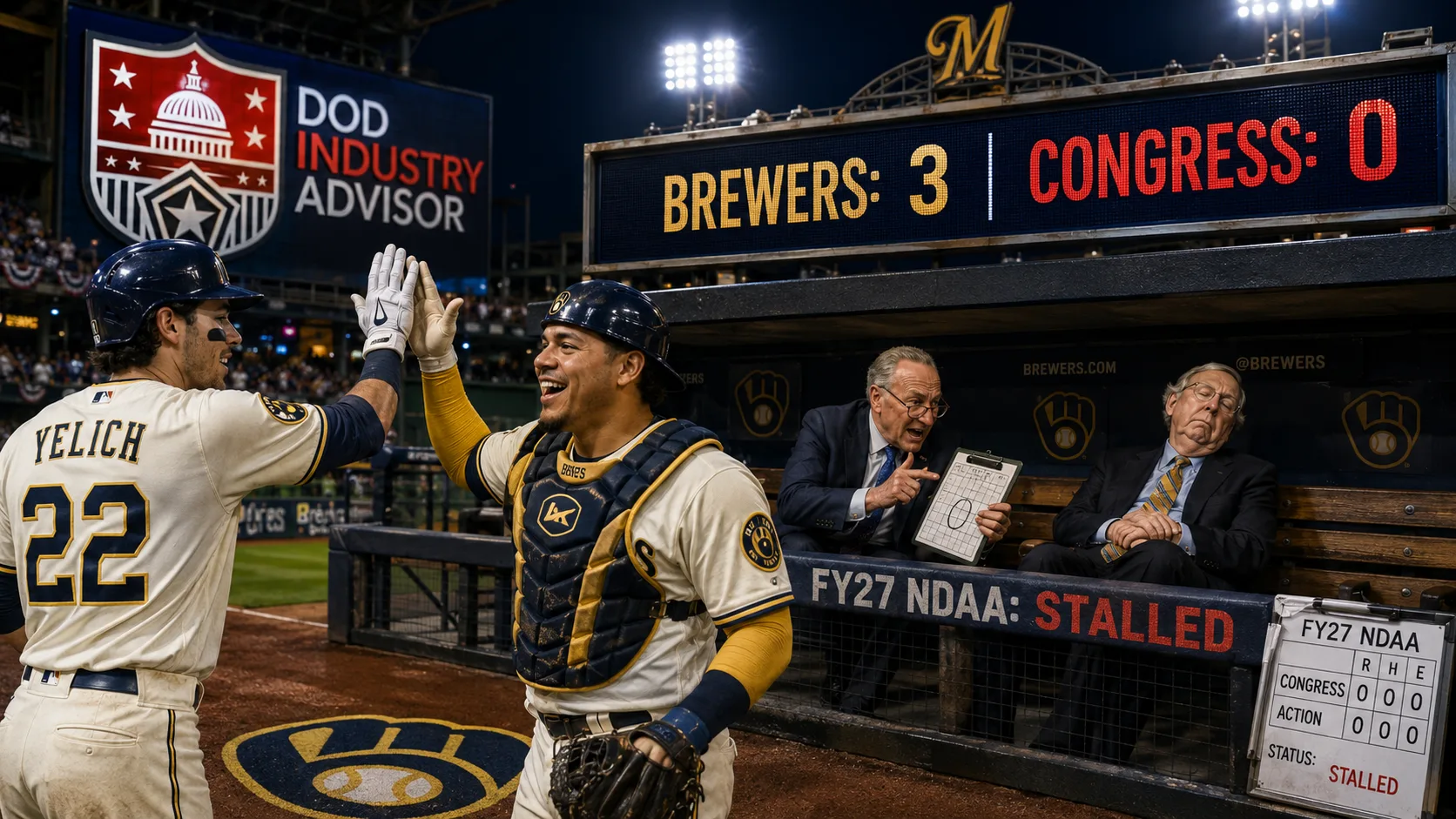
The Brewers opened daylight. Congress posted two unmatched lineup cards. Treasury posted $40 trillion.
Mission Brief The Brewers climbed to the top of the MLB Power Rankings while Congress stumbled on the finish line, passing a stopgap funding bill to dodge a shutdown but stalling on the full FY27 NDAA
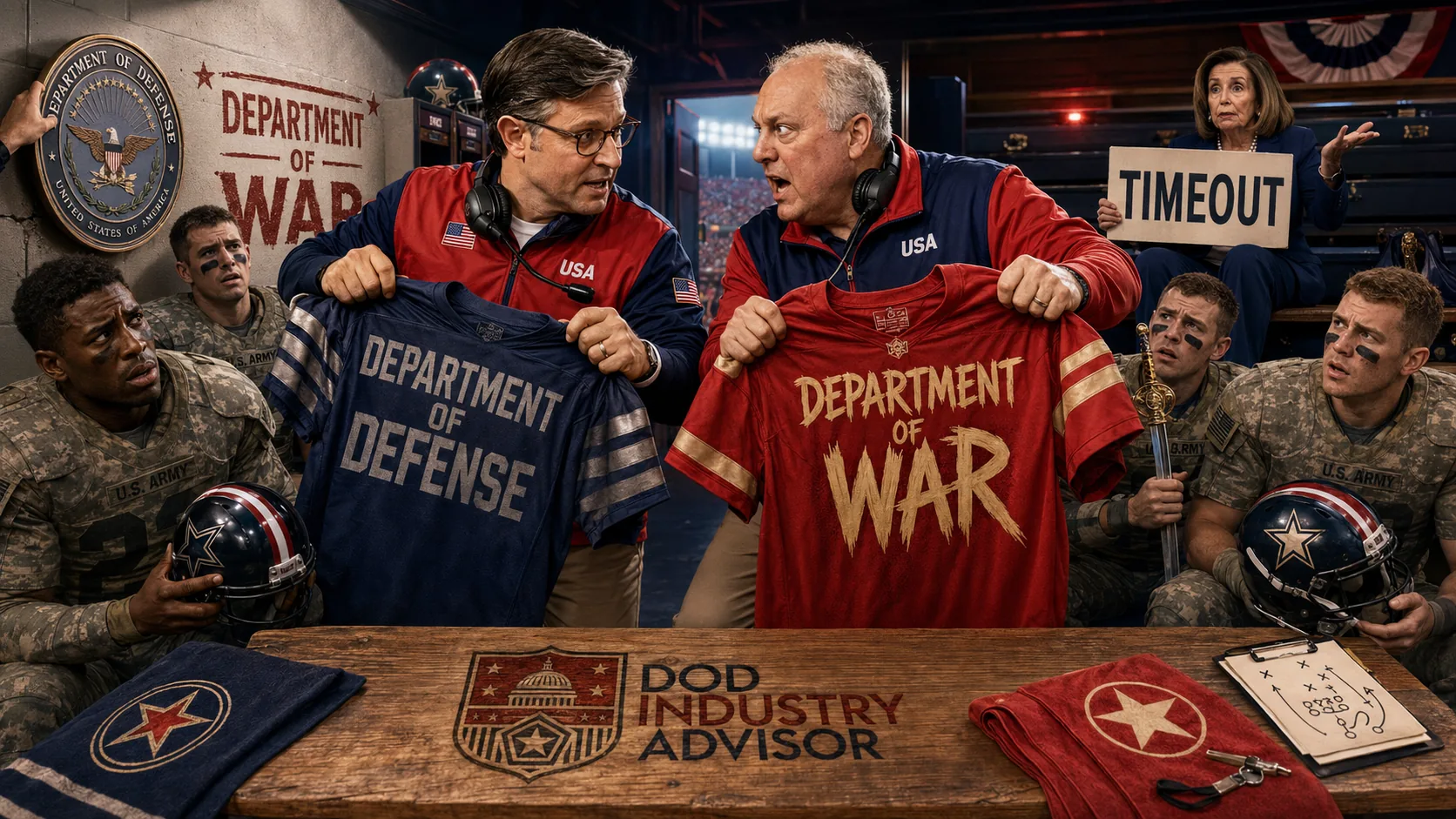
The House just voted to officially rename the Department of Defense to the Department of War in the passing NDAA, a move championed by Republicans to signal a harder edge on national security.
MLB trade deadline 2026: Tarik Skubal blockbuster and deadline-day dominoes
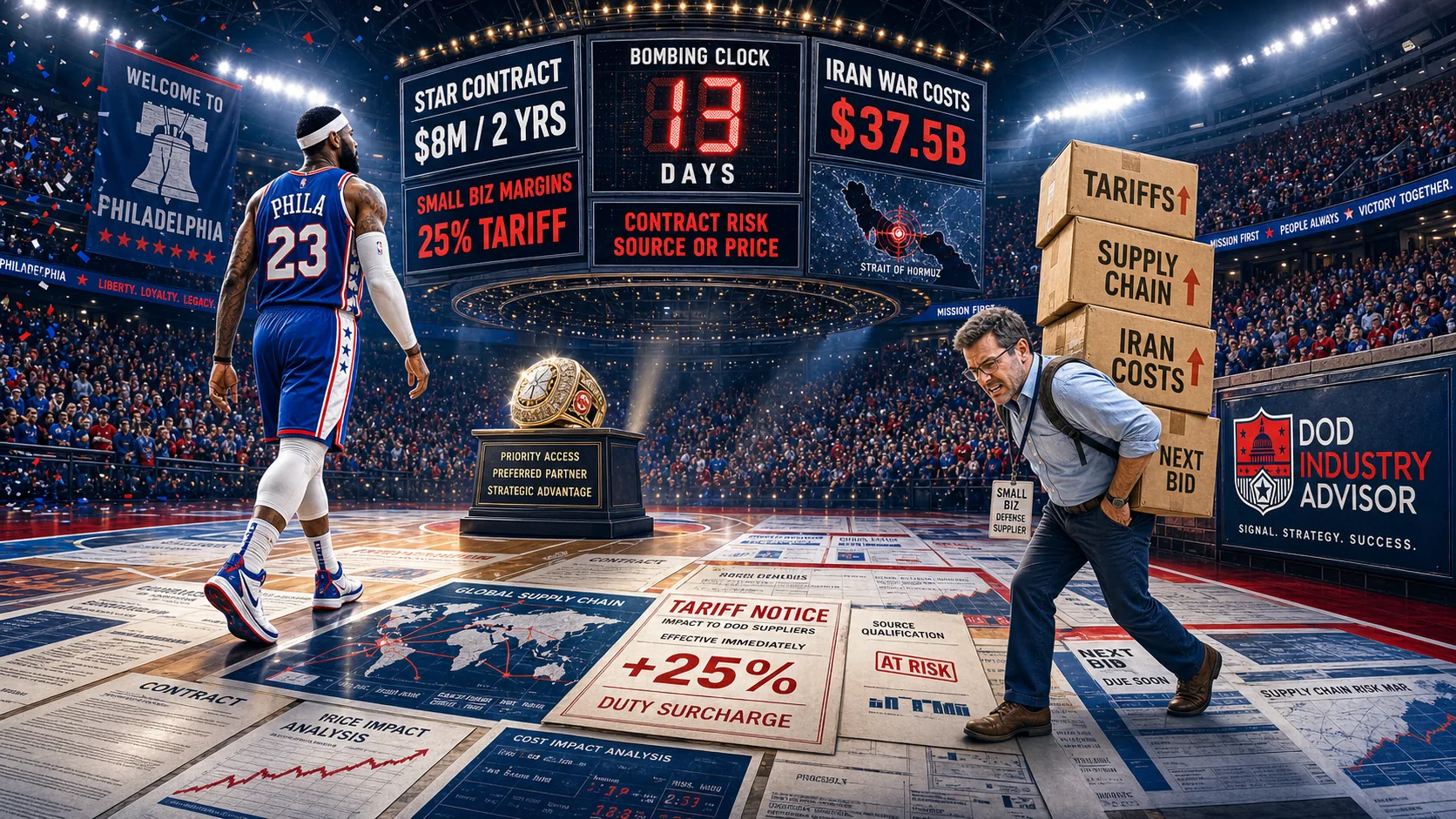
A $95B House war budget, a 47-49 Senate War Powers vote, and an executive order putting task orders at risk unless contractors map domestic sources.
CMMC Phase II is suspended over a $593,800 per-certification cost. Level 1 self-assessments still apply and reform comments close August 14.
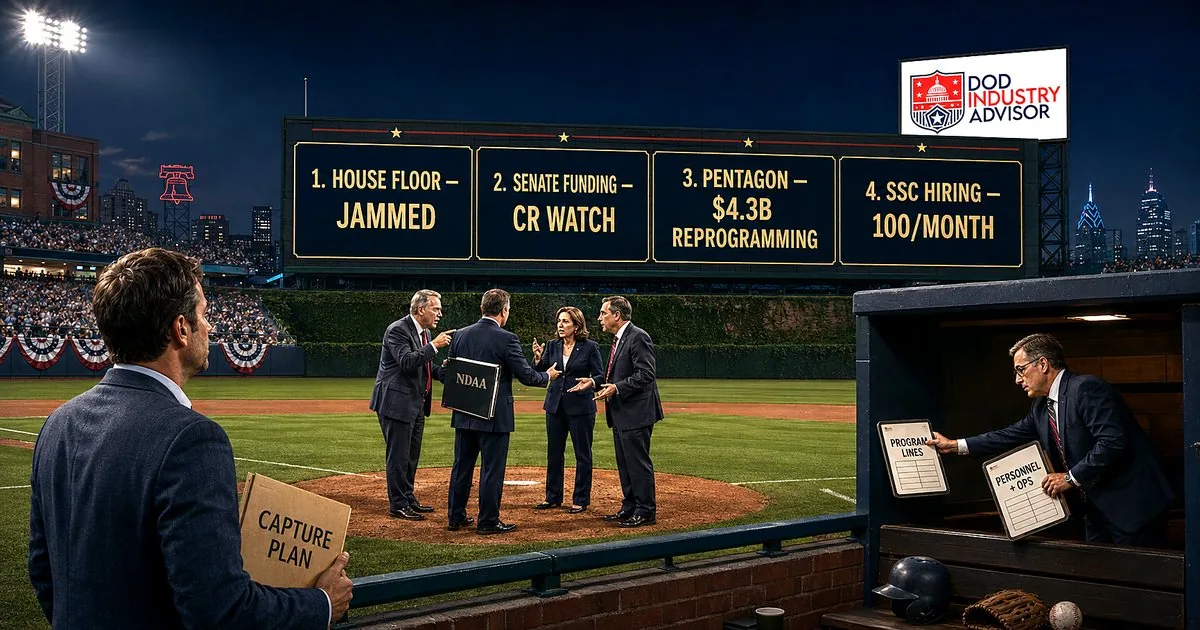
House NDAA gridlock, shutdown risk, Pentagon $4.3B reprogramming, and Space Force hiring reshape small-business defense capture timing.
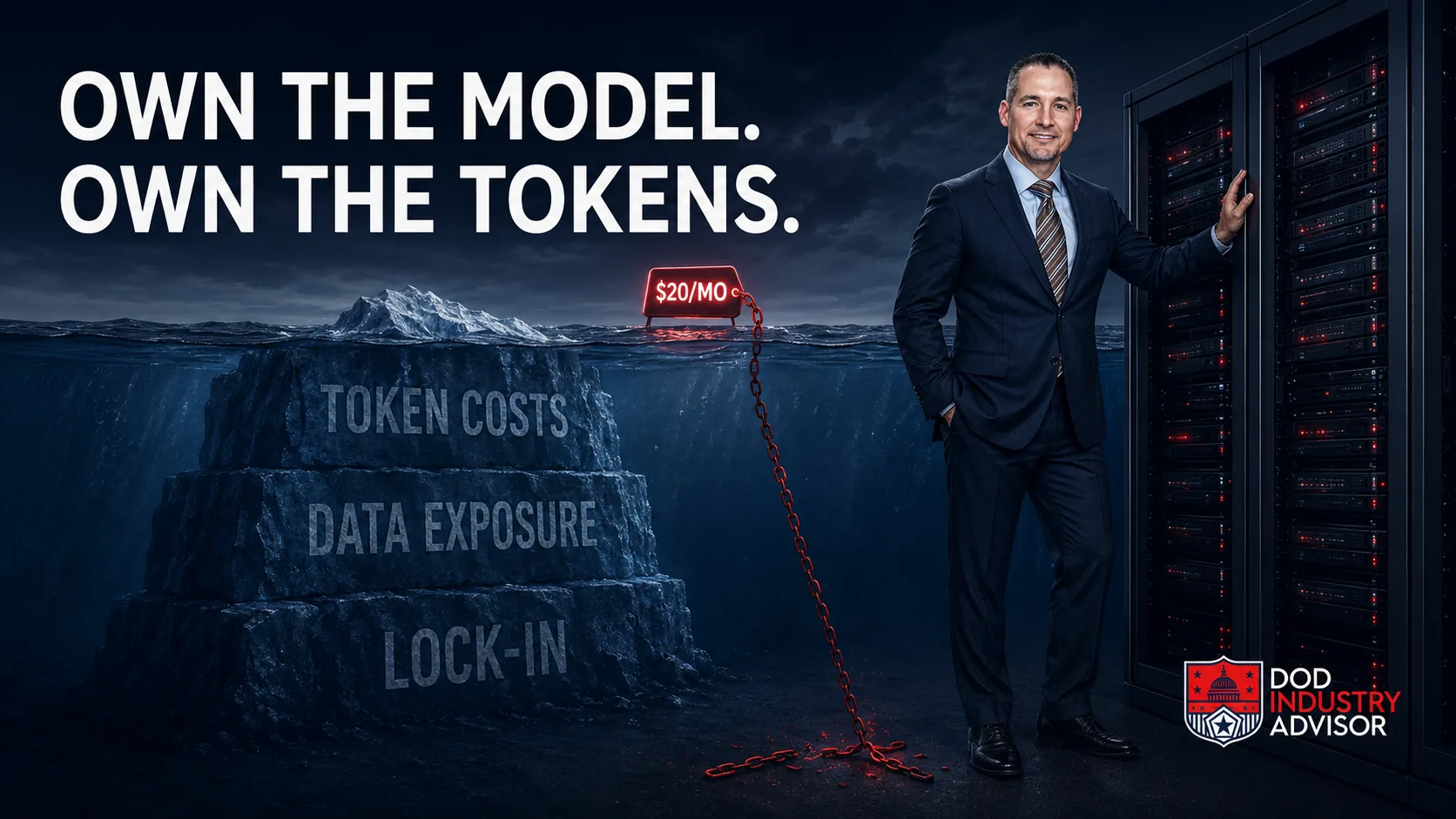
Frontier AI is priced as a loss-leader today and a metered bill tomorrow. For small defense firms, owning the model is the escape — cheaper, and CUI-safe.
House Republicans ground the NDAA to a halt by demanding the SAVE America Act be bundled with the defense bill, freezing the floor before the July recess.
Three NDAA provisions turned cybersecurity and industrial-base posture from a competitive edge into a condition of doing business with the Pentagon.
A peace deal with an asterisk: the Iran vote, the VA cancellation, and the $20M secret.
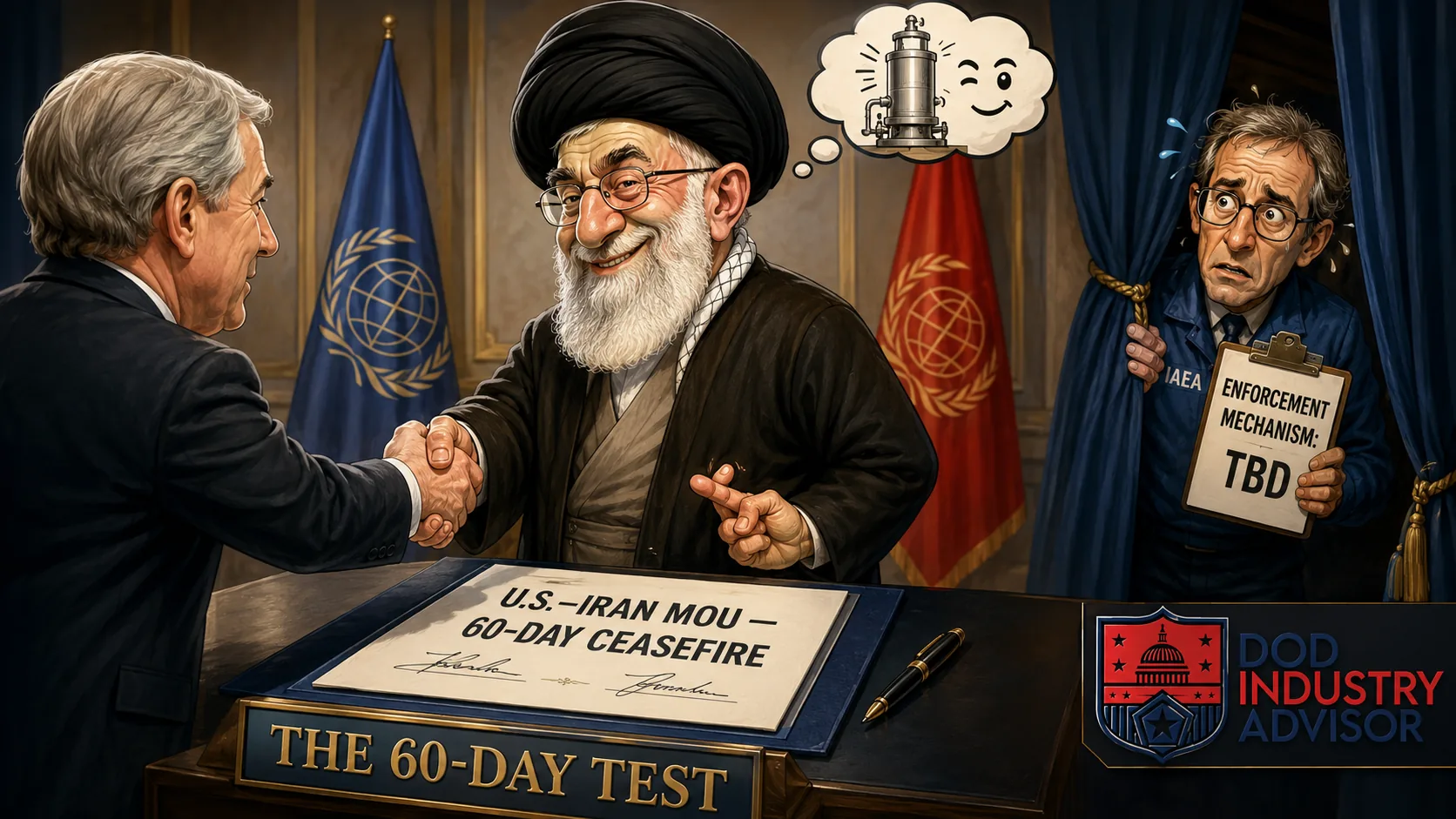
Three things ran on three clocks this week: the World Cup on a public schedule, the U.S.–Iran war ended by a 14-point, 60-day memorandum (not a treaty), and the Lincoln Memorial Reflecting Pool turned green weeks after a ~$14.6M no-bid "American flag blue" repaint. For small defense contractors, the FY27 NDAA (~$1.14T, advanced 18-9) and the House Defense bill ($1.072T) are moving fast — with a CMMC Level 2 certification grant and $836M for new-entrant munitions opening the door. Full-committee markup is June 24. The lesson: the render is not the water.
Jalen Brunson erased a 16-point Game 5 deficit to win the Knicks' first title since 1973 — on a roster he built with a $113M pay cut. In Washington, President Trump signed the $70B Secure America Act into law, the Senate Armed Services Committee advanced the FY27 NDAA 18-9, and GAO data showed small-business contracting fell $3.7B to $172.6B even as total federal procurement rose to $793B. The week's lesson for small defense contractors: the budget got bigger, your share got smaller, and the comeback is on you.
The House draft of the FY2027 NDAA (H.R. 8800) carries five provisions affecting Defense Department employees — from new chief acquisition talent officers to a firefighting-drone pilot — plus a floor amendment renaming the Pentagon the "Department of War." Small businesses should track these authorization changes as leading indicators of acquisition demand.
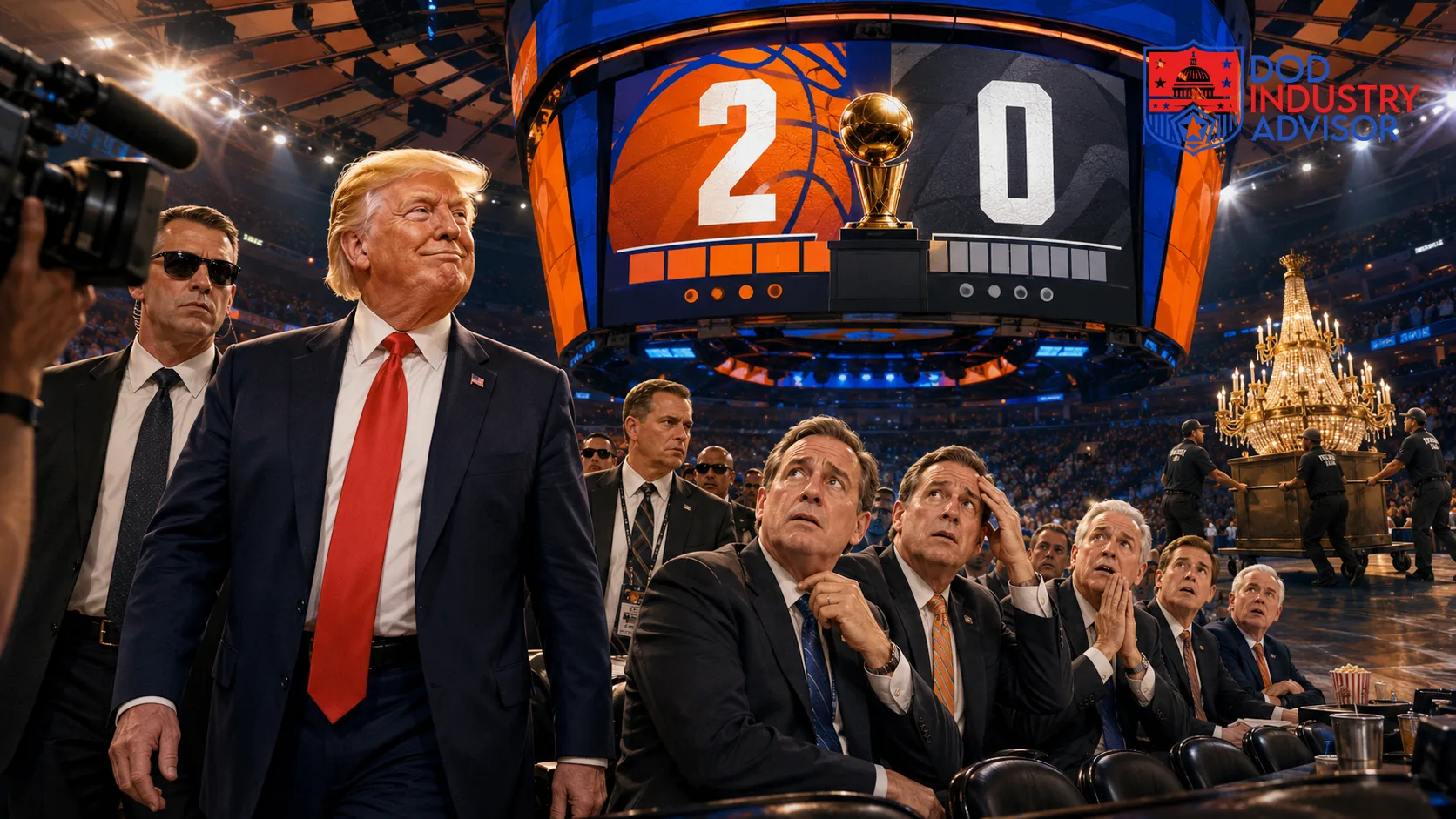
The Knicks came home up 2-0 in the NBA Finals as Trump prepared to attend Game 3 at Madison Square Garden. In Washington, the Senate passed S. 2, the Secure America Act, for ICE and Border Patrol and sent it to the House after stripping White House ballroom money, while HASC advanced the FY27 NDAA with right-to-repair language and Space Force satellite fights that matter directly to small defense contractors.
The Pentagon told NATO it will pull up to half its crisis-ready bombers, fighters, and ships off Europe to pivot toward the Indo-Pacific and China; Hegseth carried the message to Asia's marquee defense summit. The Senate abandoned its budget reconciliation package and left for Memorial Day, leaving the administration's widening Iran fight and munitions ramp riding on tariff money the Supreme Court struck down in February. Dell booked a $9.7B Pentagon software deal as the contract spigot ran on. The week the #1-seed Thunder lost Game 7 at home to the Spurs as the lens: the favorite that benched itself.
A breakdown of the FY27 autonomy budget request and the acquisition pathways small businesses must navigate to capture it.
The GOP establishment blew a 22-point lead: Sen. Bill Cassidy finished THIRD in his own Louisiana primary (24.8%), Trump's endorsement swept primary night (Barr in for McConnell's seat, Massie out in KY-04), and Georgia's Senate and governor races went to June 16 runoffs. DOJ's $1.776B 'Anti-Weaponization Fund' drew bipartisan Republican alarm — Tillis called it 'stupid on stilts' — and stalled the ~$72B ICE/CBP reconciliation bill as the Senate left for recess. NBA Eastern Conference Finals as the lens.
A 2024 IEEE study maps how one intrusion cascades across a ship's navigation, power, and comms. Siloed cyber defense is now the vulnerability.
The Senate's 7th Iran war powers resolution (S.J.Res. 163) failed 49–50 — Lisa Murkowski crossed over to join Collins and Paul, but Fetterman was again the deciding Democratic no. Two days later the House tied 212–212 on its own version, and a tie is a defeat. Kevin Warsh was confirmed Fed Chair 54–45 as Powell's term ended. Trump ran a solo state visit to Beijing. The Strait of Hormuz stayed shut. The record DHS shutdown ended. The 151st Preakness, run at Laurel Park for the first time off Pimlico, as the satirical lens.
Both chambers in recess all week. The executive branch ran the floor: SecDef Hegseth announced Project Freedom, a 40-nation Strait of Hormuz operation; Trump told reporters War Powers authorization is 'unconstitutional'; a leaked CIA assessment said Iran can outlast the blockade for months. The Kevin Warsh Fed Chair confirmation vote is teed up for the week of May 11, with John Fetterman (D-PA) signaling YES. Powell's term ends May 15. NBA Conference Semifinals as the satirical lens.
Susan Collins crossed on the 6th Iran war powers vote (47–50). King Charles addressed Congress. Banking sent Warsh out 13–11. Space Force asks $71.1B.
Senate rejected its 5th Iran war powers resolution 46–51. DHS shutdown day 71. $70B reconciliation 50–48. Raskin 25th Amendment bill at 78 cosponsors.
House war powers resolution lost 213–214 after Davidson's "present" vote. Senate lost 47–52. DHS shutdown day 64. Section 122 tariff clock to July 24.
DoD's own estimate: $487,970 over three years for a small business to comply with CMMC 2.0. What Congress should fix before Phase 2 in Nov 2026.
Senate gaveled in for 28 seconds while Iran burns and DHS hits Day 57. Auto draft registration drops. Tariffs swing on a new legal theory.
The Senate voted 100-0 to fund DHS. The House left for vacation. Here's what the longest shutdown in history means for defense contractors.
The Pentagon tried to brand a commercial AI firm as a supply chain risk. A federal judge blocked it. This is what strategic overextension looks like.
The Army wants good-enough tech it can reshape in battle. In a Great Power Competition, that's not pragmatism — it's a surrender of initiative.
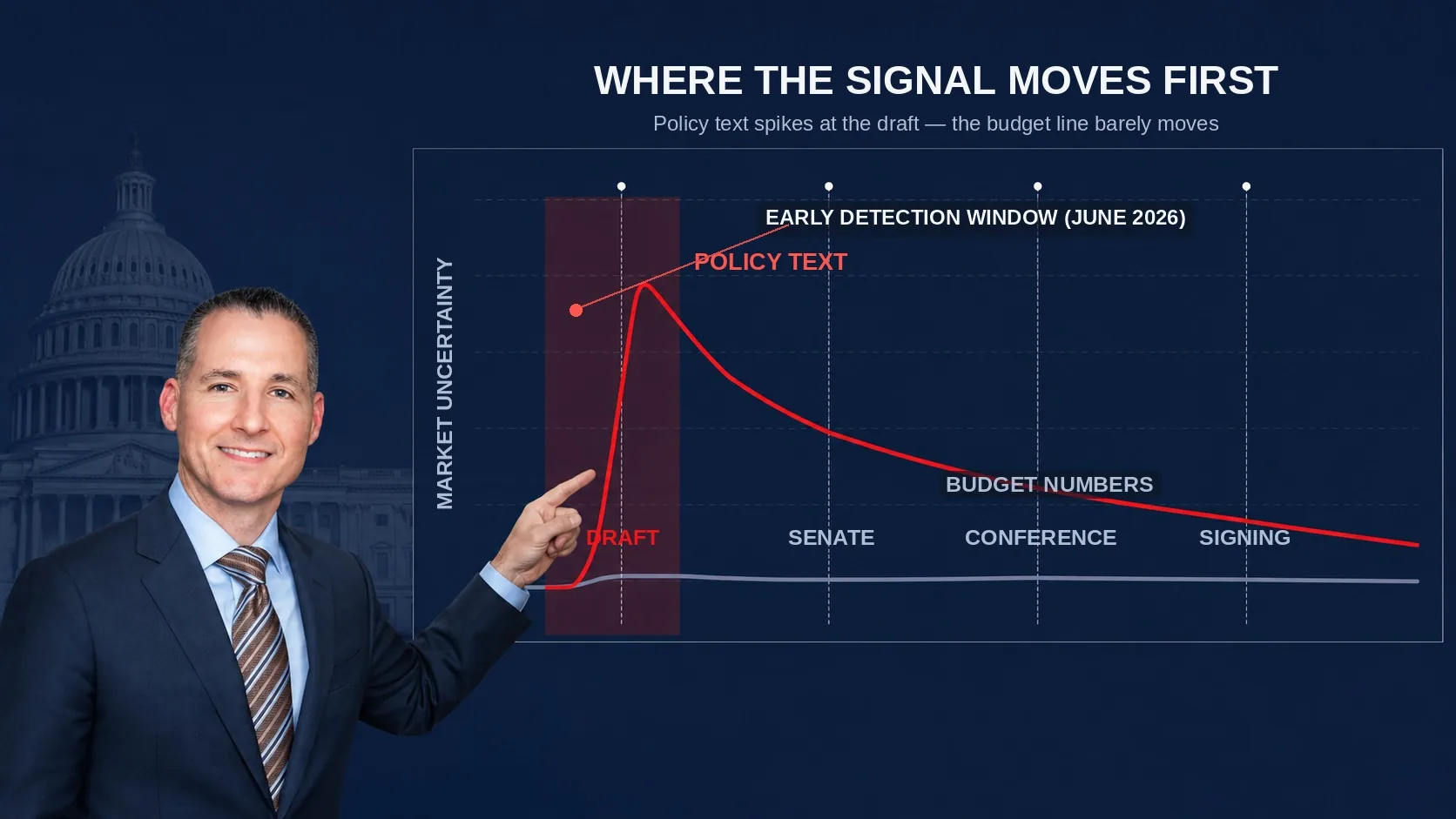
Most companies respond to solicitations. The ones who win shaped the conversation months earlier.
The Vulcan grounding and SDA delays aren't budget problems. They're program management failures the FAR was designed to create.
The $145B munitions gap isn't a funding problem. It's a failure of burden-sharing that exposes the fragility of the alliance's industrial base.
The DoD needs startup innovation but forces it through a system built for legacy primes. The result is a blue ocean that never materializes.
The best product doesn't always win. The best-positioned company does. Here's how the system actually evaluates you.
The federal budget isn't just a funding document. It's a roadmap of where the government is going — if you know how to read it.
A conversation about how strategic priorities become acquisition actions — and why most outsiders misread the signals.
Try another term or clear the filters.
Illustrative categories of public signals DIA monitors. The point is not more news; it is a better decision.
Where money is being added, held, or moved.
When a line changes the timing or size of a potential action.
Whether to staff, watch, or reposition a pursuit.
What Congress is directing or signaling before funds move.
When report language or policy creates an acquisition condition.
Which policy, program, or Hill packet needs attention.
The formal market signal after much of the shaping has occurred.
When the requirement is now public and response timing is real.
Whether the team is ready to respond or already late.
A transition lane, not just a research award.
When a prototype can become a Phase III or follow-on path.
Which transition vehicle is worth building around.
A possible path around traditional procurement sequencing.
When speed, prototype status, and consortium access align.
Whether OTA is a real entry path or just a label.
Who is actually receiving obligations, options, and work.
When incumbent behavior changes competitive density.
Where to partner, differentiate, or decline.
Organizational changes, leadership shifts, and schedule pressure.
When the buyer map or evaluation logic is changing.
Who needs to hear from you next.
The words attached to programs, gaps, and industrial-base concerns.
When language points to a future requirement or constraint.
What to monitor before it becomes a solicitation.
Lightweight definitions for terms that recur in defense acquisition and capture conversations.
Other Transaction Authority: a statutory authority used for certain prototype, research, and follow-on production agreements outside the standard FAR structure.
Indefinite Delivery / Indefinite Quantity: a contract vehicle that sets terms for future orders without guaranteeing a particular quantity.
Small Business Innovation Research: a federal program that funds small-business R&D in staged phases.
Small Business Technology Transfer: a program requiring formal collaboration between a small business and a research institution.
Broad Agency Announcement: a notice used to solicit proposals for basic and applied research topics.
Request for Information: a market-research request used to inform an agency’s understanding before a solicitation.
Program Objective Memorandum: a component’s submission describing planned programs and resources across the future-years cycle.
Future Years Defense Program: the five-year projection of defense programs and funding that supports planning and budgeting.